





South Africa Emergency Numbers and Practical Safety Tips
The emergency numbers to save before you need them, from 10111 and 10177 to 112, private ambulances, NSRI sea rescue and the GBV Command Centre.
In an emergency, the last thing you want to do is search for a phone number. South Africa has several emergency lines, public and private, and knowing which to call can save precious minutes. This guide lists the numbers to save in your phone today, explains what happens when you call, and shares practical, honest safety habits for living in or visiting the country.
Most visits to South Africa pass without any trouble at all. Crime is a real issue in parts of the country, but it is concentrated in certain areas and situations, and simple habits greatly reduce your risk. For the full picture, read our safety and security guide, and keep our emergency numbers tool bookmarked on your phone.
The core emergency numbers
| Service | Number | Notes |
|---|---|---|
| Police (SAPS) emergency | 10111 | Crime in progress, violent incidents, accidents with injuries |
| Ambulance (public) and in many areas fire | 10177 | National emergency medical services line |
| Emergency from any mobile phone | 112 | Works on all networks, routes your call to an emergency centre |
| SAPS Crime Stop (tip-offs) | 08600 10111 | Anonymous crime information, not emergencies |
| GBV Command Centre | 0800 428 428 | 24 hours, free. Dial *120*7867# for a call back |
| Childline | 116 | Free, for children and anyone worried about a child |
| National Sea Rescue Institute (NSRI) | 087 094 9774 | Sea and inland water emergencies |
10111: the police
Call 10111 for any crime in progress or a situation where life or property is under threat. Your call goes to a South African Police Service (SAPS) communication centre, which dispatches a vehicle from the nearest station. Response times vary a great deal by area and time of day. For non-urgent matters, such as reporting a theft after the fact or getting a case number for insurance, go to your local police station in person.
10177: ambulance
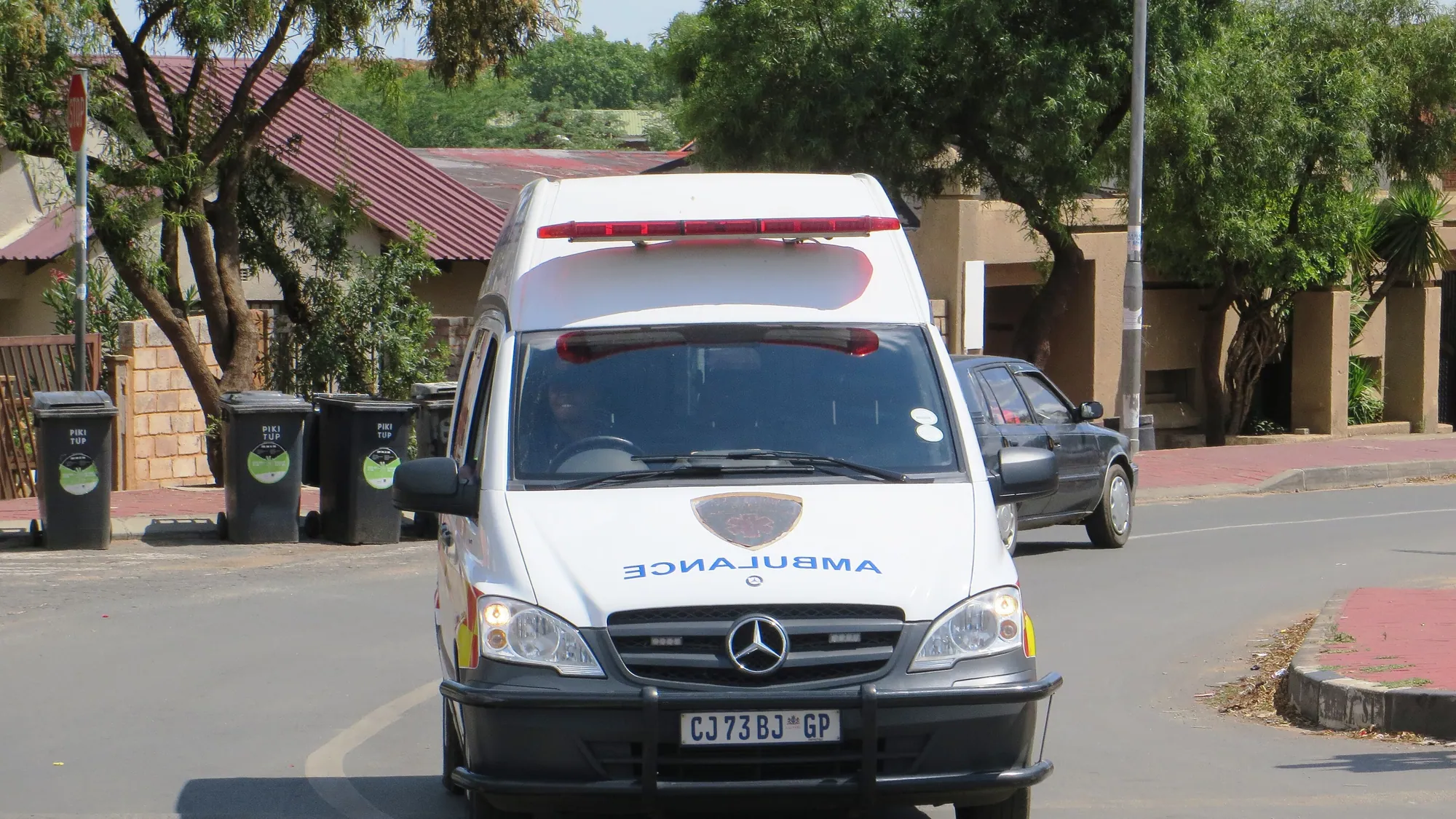
10177 is the national number for public emergency medical services, run by provincial health departments. In many municipalities it also connects to fire services. Public ambulances serve everyone, but in busy areas they can take time to arrive.
112: from any mobile phone
112 can be dialled from any mobile phone in South Africa, and the operator routes your call to the right service. It is useful if you cannot remember another number or are in an unfamiliar area.
Municipal emergency numbers
Large metros run their own emergency centres. For example, the City of Cape Town's public emergency number is 107 from a landline, or 021 480 7700 from a mobile. Check your own municipality's website and save the local number, since it often gives the quickest response to fires and local incidents.
Private ambulance services
South Africa has well-established private emergency medical services. If you have medical aid or travel insurance, a private ambulance will usually take you to a private hospital.
- ER24: 084 124
- Netcare 911: 082 911
Ask your medical aid or insurer in advance which service they use, and save that number too. In a life-threatening emergency, call whoever you can reach first; responders will help regardless. Our healthcare and medical aid guide explains how private and public hospitals work.
Other useful helplines
- Poisons Information Helpline: 0861 555 777, 24 hours, for suspected poisoning or bites.
- SADAG Suicide Crisis Line: 0800 567 567, run by the South African Depression and Anxiety Group.
- Lifeline: 0861 322 322, for emotional support and counselling.
- Power and water faults: your municipality or Eskom, depending on who supplies you.
- Roadside help: your car rental company, insurer or motoring association.
Numbers occasionally change, so confirm on gov.za, which keeps a list of government call centres and helplines.
Gender-based violence: where to get help
The GBV Command Centre, run by the Department of Social Development, operates 24 hours a day on 0800 428 428. You can also dial *120*7867# from any cellphone to request a call back, and the centre has an SMS option for people with disabilities. Trained social workers provide counselling and can refer you to shelters, police and Thuthuzela Care Centres, which offer medical, legal and counselling support to survivors of sexual violence in one place.
If you are in immediate danger, call 10111 or 112. A protection order can be requested at your nearest magistrate's court.
Water and beach safety: the NSRI
The National Sea Rescue Institute is a volunteer-based charity that responds to sea and inland water emergencies. Its emergency number is 087 094 9774, and you can also call 112. Save the number before any beach trip, boat outing or dam visit.
Practical beach tips:
- Swim only at lifeguarded beaches and between the flags.
- Learn to spot rip currents, which look like a calmer channel of darker water heading out to sea. If you are caught in one, do not fight it; swim parallel to the shore or float and signal for help.
- NSRI pink rescue buoys hang at many beaches. Throw one to a person in trouble rather than swimming out yourself.
What to do in an emergency
- Stay calm and make sure you are safe before helping anyone else.
- Call the right number. If unsure, call 112 or 10111.
- Give your exact location. Street name and number, suburb, nearby landmarks or GPS coordinates. Share your live location from your phone's map app if you can.
- Explain what happened and how many people are hurt.
- Do not hang up until the operator tells you to.
- Get a case number if you report a crime, which you will need for insurance claims.
For road accidents, move to safety, switch on hazard lights and call for help. Do not move seriously injured people unless they are in danger. Our driving and transport guide covers what to do after a crash.
Everyday safety habits
These are the habits locals use without thinking:
- Keep valuables out of sight. Do not leave bags or phones visible in a parked car, and avoid flashing jewellery or expensive cameras in busy areas.
- Be alert at traffic lights and intersections, especially at night. Keep doors locked and windows up.
- Use ATMs inside shopping centres or banks, and decline help from strangers at the machine.
- Plan your route, especially after dark, and use registered ride-hailing services rather than walking alone at night in unfamiliar areas.
- Check your accommodation. Good security, such as alarms, electric fencing or a reputable armed response company, is standard in many suburbs.
- Ask locals. People are friendly and will happily tell you which areas and times to avoid.
Useful apps
- Many residents subscribe to private armed response and security companies that have panic button apps.
- Ride-hailing apps such as Uber and Bolt include in-app emergency features and trip sharing.
- Share your live location with a trusted contact when travelling alone.
If you are new to the country, our moving to South Africa checklist includes setting up emergency contacts.
Frequently asked questions
What is the main emergency number in South Africa?
There is no single number for everything. Call 10111 for police and 10177 for an ambulance, or 112 from any mobile phone, which routes your call to the right service.
Can I call 112 without airtime?
Yes. 112 is free from mobile phones and generally works without airtime.
Should I call a public or a private ambulance?
If you have medical aid or travel insurance, a private service such as ER24 or Netcare 911 usually responds quickly and takes you to a private hospital. Otherwise call 10177. In a life-threatening situation, call whichever you can reach first.
How do I report a crime after it has happened?
Go to the nearest SAPS police station to open a case. You will receive a case number, which you need for insurance claims and replacement documents.
Who do I call for gender-based violence?
Call the GBV Command Centre on 0800 428 428, 24 hours a day, or dial *120*7867# for a call back. If you are in immediate danger, call 10111 or 112.
Written by Daleel ZA editorial team. Daleel ZA is a guide, not legal, financial or immigration advice. Rules change; confirm with the authority named before you act.