





Culture and Etiquette in South Africa
A warm, practical introduction to South Africa's languages, greetings, ubuntu, braais, local time, tipping, religion, sport, heritage and visiting townships respectfully.
Last reviewed 25 Nov 2026
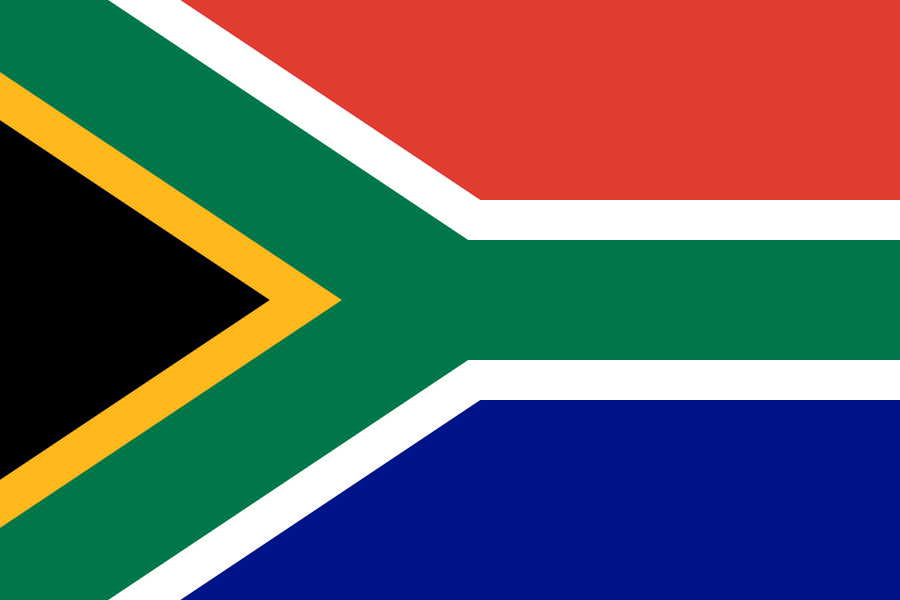
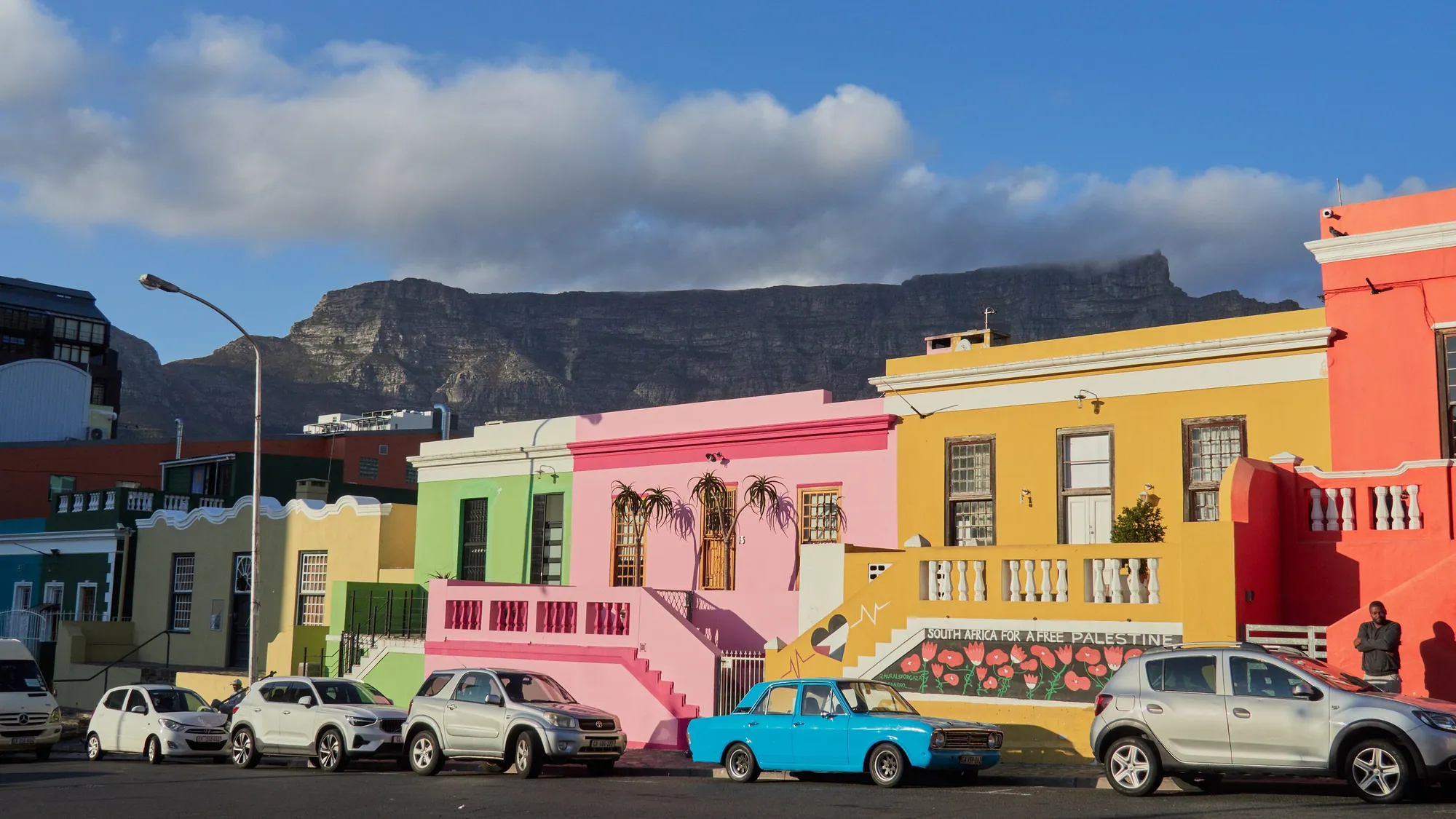
South Africa calls itself the Rainbow Nation, and the phrase fits. Few countries pack so many languages, faiths, cuisines and histories into one place, and few people are as quick to chat, joke and invite a newcomer to a braai. The country's past, including colonialism and apartheid, still shapes daily life, so a little understanding goes a long way. This guide covers the things that help newcomers and visitors fit in: languages and greetings, the idea of ubuntu, social habits, tipping, religion, sport and how to visit townships with respect.
Twelve official languages
South Africa has 12 official languages: isiZulu, isiXhosa, Afrikaans, English, Sepedi, Setswana, Sesotho, Xitsonga, siSwati, Tshivenda, isiNdebele and, since 2023, South African Sign Language. isiZulu is the most widely spoken home language, followed by isiXhosa and Afrikaans. English is the common language of business, government and the media, and you can live anywhere in the country speaking only English.
Most South Africans speak two, three or more languages and switch between them easily, often in the same sentence. Different regions lean towards different languages: isiZulu in KwaZulu-Natal and much of Gauteng, isiXhosa in the Eastern Cape and parts of the Western Cape, Afrikaans across the Western and Northern Cape, Setswana in the North West, and Sepedi, Xitsonga and Tshivenda in Limpopo. Our province guides give a feel for each region.
Greetings worth learning
A greeting in someone's home language is always appreciated, even if your pronunciation is shaky.
| Language | Hello | Reply or thanks |
|---|---|---|
| isiZulu | Sawubona (to one person) | Yebo (yes, reply); Ngiyabonga (thank you) |
| isiXhosa | Molo (to one person), Molweni (to several) | Enkosi (thank you) |
| Sesotho | Dumela | Ke a leboha (thank you) |
| Setswana | Dumela | Ke a leboga (thank you) |
| Afrikaans | Goeie môre (good morning), Hallo | Dankie (thank you) |
| South African English | Howzit | Shot or cheers (thanks) |
Sawubona literally means "we see you", and the reply Yebo, sawubona means "yes, we see you too". It captures something important: in South Africa, greeting people properly matters. Before asking a question in a shop, at a petrol station or in an office, start with "Hello, how are you?" and wait for the answer. Skipping the greeting and going straight to business can come across as rude.
Handshakes are common, and you will often see a three-part African handshake (a normal grip, a switch to a thumb grip, then back). Showing respect to elders is important in most communities: older people may be addressed as "Mama", "Baba", "Gogo" (grandmother) or "Tata" (father, in isiXhosa). In some traditional settings people give or receive items with both hands, or with the right hand while the left touches the forearm, as a sign of respect.
Ubuntu
Ubuntu is a Nguni word often explained through the phrase umuntu ngumuntu ngabantu: "a person is a person through other people". It describes a belief that we are bound together, and that kindness, sharing and respect for others are what make us human. You will see it in how extended families support each other, how neighbours help at funerals and weddings, and how strangers rally after disasters. Ubuntu is not a slogan to quote at people, but understanding it helps explain why community and relationships carry so much weight.
Social life and everyday habits
Braai culture
A braai is a barbecue over wood or charcoal, and it is close to a national institution. It is the default way to celebrate a birthday, watch a rugby match or spend a Sunday. Typical fare includes boerewors (a spiced farm sausage), lamb chops, chicken, sosaties (kebabs), pap (maize porridge) with a tomato and onion relish, and braaibroodjies (toasted sandwiches on the fire). Many Muslim, Hindu and Jewish South Africans braai too, with halal, vegetarian or kosher food.
If you are invited, it is normal to ask "What can I bring?". The usual answer is your own drinks and perhaps a salad or meat for yourself. Do not touch the fire or the tongs without being asked: the person braaing, often called the braaimaster, takes the role seriously. Expect the meal to start late and last for hours.
Heritage Day on 24 September is popularly known as National Braai Day, with people celebrating their cultures through food, dress and music. See our public holidays page for the full list.
Now now, just now and African time
South Africans use time words in their own way:
- Now means soon-ish.
- Now now means shortly, usually within minutes.
- Just now can mean a little later, or much later. It does not mean "a moment ago" as in some other countries.
Social events often start later than stated, and a relaxed attitude to time is common at gatherings. Business is different: be punctual for work meetings, appointments and interviews.
Directness, humour and conversation
South Africans are generally friendly, informal and quick to use first names. Humour is everywhere, often self-deprecating, and people love to talk about sport, food, load-shedding memories and travel. Race, politics and land are part of daily conversation for South Africans themselves, but as a newcomer, listen more than you speak, avoid sweeping generalisations, and never use apartheid-era racial slurs or labels, even jokingly.
Tipping
Tipping is expected in many everyday situations and is an important part of many people's income. As of 2026, common amounts are:
- Restaurants: 10% to 15% of the bill for good service. Check whether a service charge has already been added, which is common for large groups.
- Car guards: informal or semi-formal attendants who watch your car in parking areas. R5 to R10 for a short stop, a little more for a long stay or at night, given when you leave.
- Petrol attendants: stations are full service, and R10 to R20 is normal, more if they clean your windscreen and check tyres.
- Grocery packers and hotel porters: R5 to R20.
- Hairdressers, spa therapists and tour guides: around 10%.
- Safari guides and trackers: often tipped per day, with a guidance envelope left at the lodge. Ask the lodge for its suggested amounts.
Keep coins and small notes handy. A friendly "thank you" matters as much as the money.
Religion
South Africa is a religiously diverse country with freedom of religion protected by the Constitution. Most people are Christian, across many denominations including large African independent churches such as the Zion Christian Church. There are long-established Muslim communities, especially among Cape Malay and Indian South Africans, a large Hindu community centred on KwaZulu-Natal, an active Jewish community, and many people who follow or combine African traditional religion, including respect for ancestors.
Dress modestly when visiting places of worship and ask before taking photographs. Ramadan, Eid and Diwali are visible in many cities, while Christmas and Easter are public holidays. Our prayer times tool is useful for Muslim residents and visitors.
Sport
Sport is a great unifier. Rugby has a huge following, and the Springboks won the Rugby World Cup in 1995, 2007, 2019 and 2023. Football (soccer) is the most widely played sport, with Bafana Bafana and Banyana Banyana as the national teams and big local clubs such as Kaizer Chiefs, Orlando Pirates and Mamelodi Sundowns. Cricket is also popular, and the Proteas won the ICC World Test Championship in 2025. Watching a big match at a pub or a friend's braai is one of the fastest ways to feel at home.
Heritage and history
Robben Island, the Apartheid Museum in Johannesburg, Constitution Hill, the Hector Pieterson Memorial in Soweto, the District Six Museum in Cape Town and the Nelson Mandela Capture Site near Howick are important places to understand the country's story. Freedom Day (27 April) marks the first democratic elections in 1994, and Youth Day (16 June) remembers the 1976 Soweto uprising.
Visiting townships respectfully
Townships are vibrant residential areas, created under apartheid for black, coloured and Indian South Africans, and home to millions of people today. Visiting places such as Soweto, Langa, Khayelitsha or Umlazi can be a highlight, if done well.
- Go with a local guide from the community, ideally a resident-owned tour company. Your money then stays local and you get far more insight.
- Choose walking or cycling tours over bus tours that drive through without stopping.
- Ask before photographing people, especially children, and accept a "no". Do not photograph homes or people's daily lives as if they were attractions.
- Spend money locally: eat at a shisa nyama, visit a local bar or craft market, and buy directly from makers.
- Do not hand out sweets or money to children. If you want to help, ask your guide about a reputable local project.
- Be a guest, not an observer: greet people, chat, and be open about why you are there.
Our safety and security guide has general advice for travelling around cities, and South African Tourism lists registered tour operators.
Frequently asked questions
How many official languages does South Africa have?
Twelve: isiZulu, isiXhosa, Afrikaans, English, Sepedi, Setswana, Sesotho, Xitsonga, siSwati, Tshivenda, isiNdebele and South African Sign Language, which was added in 2023.
What does "just now" mean in South Africa?
It means later, sometimes much later. "Now now" means soon, usually within a few minutes.
How much should I tip in South Africa?
As of 2026, 10% to 15% in restaurants, R5 to R10 for car guards and R10 to R20 for petrol attendants are common. Tour and safari guides are usually tipped separately.
Is it okay to visit a township?
Yes, and many residents welcome visitors. Go with a local guide, ask before taking photos, and spend your money with local businesses.
What is a braai?
A braai is a South African barbecue over wood or charcoal, and a central part of social life. If invited, bring your own drinks and ask what else you can contribute.
Daleel ZA is a guide, not legal, financial or immigration advice. Rules change; confirm with the authority named before you act. Spotted an error? Tell us.