


Staying Safe in South Africa: A Practical Guide
Honest, practical safety advice for living in and visiting South Africa, covering home security and armed response, power cuts, scams, driving and smash-and-grabs, hiking, beaches, emergency numbers and community policing.
Last reviewed 25 Nov 2026
South Africa has a serious crime problem, and it would be dishonest to pretend otherwise. It is also a country where millions of residents and visitors live, work and travel happily every day. The difference usually comes down to local knowledge and a few consistent habits.
Crime is very unevenly spread. Much violent crime is concentrated in particular areas and often happens between people who know each other. Visitors and residents in most suburbs, tourist areas and estates are more likely to face opportunistic crime such as theft, smash-and-grabs or scams. This guide focuses on practical steps that reduce your risk, without alarm. Ask neighbours, colleagues and your accommodation hosts for advice about your specific area, because it changes from street to street.
Emergency numbers to save today
| Service | Number |
|---|---|
| Police (SAPS Flying Squad) | 10111 |
| Ambulance (public) | 10177 |
| Any emergency from a mobile phone | 112 |
| City of Cape Town emergencies | 107 from a landline, 021 480 7700 from a mobile |
| ER24 private ambulance | 084 124 |
| Netcare 911 private ambulance | 082 911 |
112 works on all South African networks and is free. Save your local police station, your armed response company, your building or estate security and a trusted neighbour too. See the full list with our emergency numbers tool or the emergency page.
At home
Most South African homes in cities have layered security. When renting or buying, check what is in place.
Typical home security
- Perimeter: walls, electric fencing or palisade fences, and secure gates.
- Alarm system: with outdoor beams and indoor sensors, linked to a monitoring company.
- Armed response: a private security company that sends a patrol vehicle when your alarm or panic button is triggered. Monthly fees vary by area and company.
- Panic buttons: a remote or app that alerts the security company immediately.
- Burglar bars and security gates on doors and windows.
Estates and complexes add access control and guards, which is why many families choose them.
Good habits
- Keep doors locked even when you are home, and arm the alarm at night in the areas you are not using.
- Do not open the gate to unexpected visitors. Ask for ID from anyone claiming to be from the municipality, Eskom or a service company, and phone the company to check.
- Keep valuables, keys and car remotes out of sight from windows.
- Vary routines where you can, and be aware of your surroundings when arriving at and leaving home.
Power cuts and load shedding
South Africa had no national load shedding from May 2025 through late 2026, according to Eskom, and the power system has improved significantly. Some areas still experience "load reduction" (local cuts in areas with high illegal connections or overloading) and municipal outages from cable theft or faults.
Outages can affect alarms, electric fences and gate motors, so prepare anyway:
- Make sure your alarm, electric fence and gate motor have working backup batteries.
- Keep a torch, rechargeable lights and a power bank charged.
- Consider an inverter or UPS for your Wi-Fi router.
- Know how to open your gate manually.
- Check the Eskom or municipal app for your area's status.
Estimate running costs with our electricity bill estimator.
Driving safely
Driving is the main way to get around, and road safety is as important as crime prevention. Read our driving and transport guide for the rules.
Smash-and-grab
Thieves break a window at traffic lights or in slow traffic and grab whatever is on the seat. To reduce your risk:
- Keep bags, phones and laptops out of sight, in the boot or under the seat, before you start driving.
- Consider fitting smash-and-grab film to your windows.
- Keep windows up and doors locked in town.
- At night, leave a gap to the car in front so you can drive away if needed.
Hijacking awareness
Hijackings often happen at home gates, at traffic lights at night or when stopped on quiet roads.
- When arriving home, look around before you turn into the driveway. If something feels wrong, drive on.
- Do not sit in the car in the driveway waiting for the gate to close. Drive in, close it, and watch it shut.
- If you are confronted, do not resist. Your life is worth more than the car. Keep your hands visible and do what is asked.
On the road
- Plan routes with a navigation app, but stay on main roads at night and avoid shortcuts through unfamiliar areas.
- Use well-lit, busy fuel stations and parking areas.
- If you have a breakdown, call your insurer's roadside assistance and stay with the car in a safe place if possible.
- Be cautious with "blue light" vehicles. If you are unsure whether a police vehicle is genuine, put on hazards, slow down and drive to a police station or busy area before stopping, and you can call 10111 to check.
- Keep track of traffic fines with our traffic fines tool.
Ride-hailing apps are widely used and generally a sensible option at night. Check the number plate and driver details before you get in.
Scams and fraud
Fraud is now one of the most common crimes people face. Common scams include:
- ATM scams: "helpers" who offer assistance at ATMs, card skimming and swapped cards. Use ATMs inside shopping centres, cover your PIN and never accept help.
- Phishing and vishing: calls, SMSs and emails pretending to be your bank, SARS or a courier. Banks will never ask for your PIN, password or one-time PIN (OTP).
- SIM swap fraud: if your phone suddenly loses signal, contact your network and bank immediately.
- Rental scams: fake listings that ask for a deposit before a viewing. See our renting a home guide.
- Online marketplace scams: fake proof-of-payment notifications. Always check that money is actually in your account before handing over goods.
- Fake job or visa agents: read our visas and permits guide and use only official channels.
If you are a victim, contact your bank at once, then report the crime at a police station to get a case number.
Out and about
- Carry only what you need, and keep your phone out of sight on busy streets.
- Use a cross-body bag and keep an eye on your drink in bars and clubs.
- After dark, travel by car or ride-hailing rather than walking in quiet areas.
- In city centres and tourist areas, ask your accommodation which streets are fine to walk and when.
Hiking and the outdoors
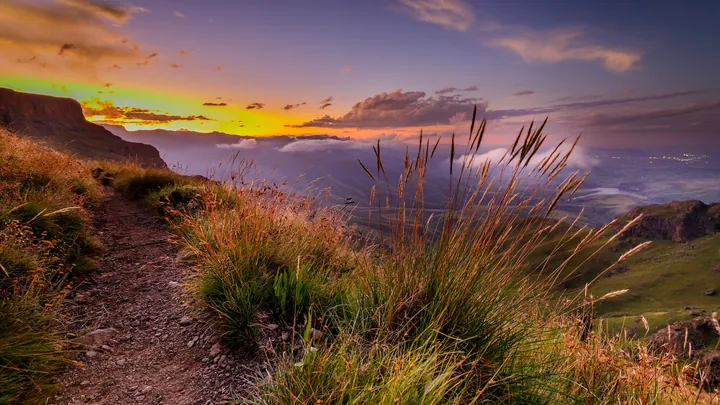
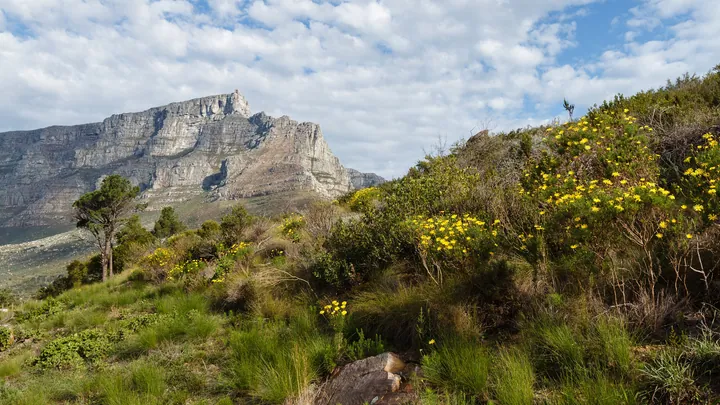
South Africa's mountains, parks and trails are a major draw, and most hikes are safe and spectacular. Risks include getting lost, sudden weather changes, falls and, on some popular trails near cities, muggings.
- Hike in groups, ideally of four or more, and stick to well-used trails.
- Tell someone your route and return time.
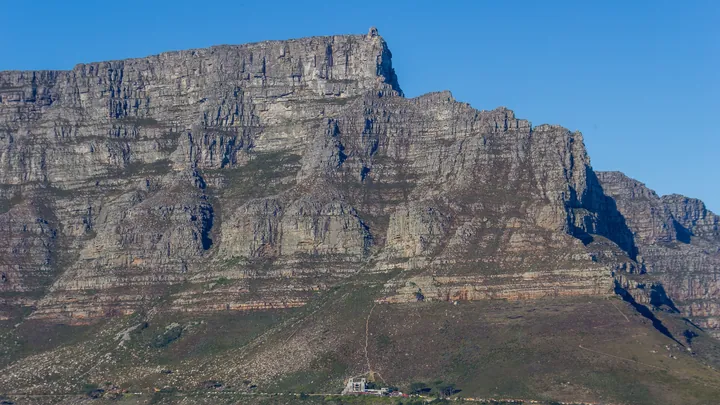
- Check the weather. On Table Mountain the cloud and wind can change fast.
- Carry water, a charged phone, warm layers and a headlamp.
- Leave expensive items at home.
- In national parks, follow SANParks rules, and never get out of your vehicle in game reserves except at designated points.
The national sea and mountain rescue services are run largely by volunteers. In an emergency, call 112 or 10111 and they will be dispatched.
Beaches and water safety
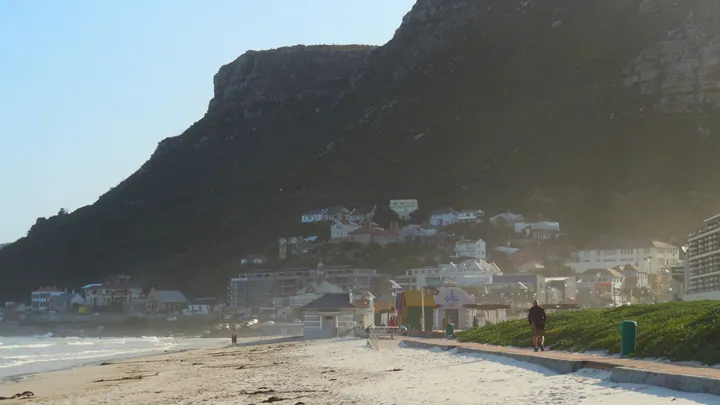
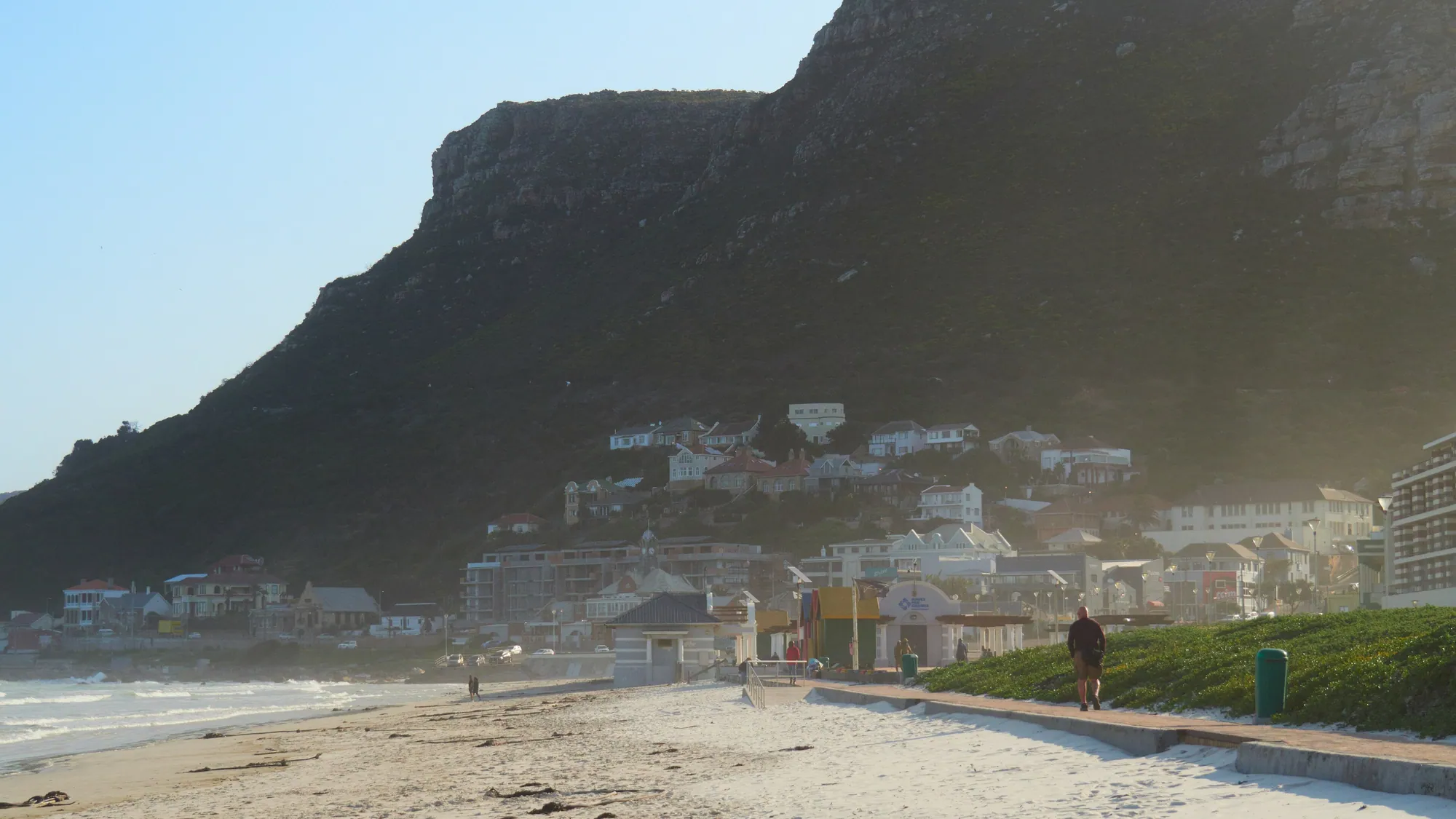
- Swim only at beaches with lifeguards on duty, between the flags.
- Watch for rip currents, which are common along the coast and can be strong even in calm-looking water.
- In Cape Town, the Shark Spotters programme posts flags at popular beaches; follow their signals.
- Keep children within arm's reach near water, and never leave valuables unattended on the sand.
- The National Sea Rescue Institute (NSRI) can be reached through 112 in an emergency.
The police and community policing
The South African Police Service (SAPS) is the national police force. To report a crime, go to your nearest police station and ask for a case number, which you need for insurance claims. You can also report anonymously to Crime Stop on 08600 10111.
Communities play a big role in local safety:
- Community Policing Forums (CPFs) link residents with their local police station, and anyone can join.
- Neighbourhood watches patrol and share information, often working with private security.
- Street and estate WhatsApp groups share alerts about suspicious activity in real time.
Joining these networks is one of the best ways to settle in and learn local patterns. Learn more on the SAPS website.
Visitors: quick tips
- Arrange airport transfers or use official taxi and ride-hailing ranks.
- Keep a copy of your passport and leave the original in a safe where possible.
- Ask your hotel or guesthouse for local advice on areas and times.
- Check the weather and when to visit guide for seasonal conditions.
Frequently asked questions
Is South Africa safe for tourists?
Millions of tourists visit every year without problems. Most incidents involving visitors are opportunistic theft. Using common-sense precautions, local advice and reputable transport greatly reduces your risk.
What is armed response?
It is a private security service linked to your home alarm. When the alarm or a panic button is triggered, a patrol vehicle with armed officers is sent to your home, usually within minutes.
Which number do I call in an emergency?
Call 10111 for the police, 10177 for an ambulance, or 112 from any mobile phone. In Cape Town you can also call 107 from a landline or 021 480 7700 from a mobile.
Is load shedding still happening?
As of late 2026 there had been no national load shedding since May 2025, though local outages and load reduction still occur in some areas. Keep backup power for your security systems.
How do I report a crime?
Go to your nearest SAPS station to open a case and get a case number. For anonymous tips, call Crime Stop on 08600 10111.
More questions
What is the working week in South Africa?
Most offices work Monday to Friday, roughly 08:00 to 17:00, and many shops open seven days a week. Government offices close on weekends and public holidays. When a public holiday falls on a Sunday, the Monday after is a day off too.
Do I need medical aid?
It is not required by law, but most people who can afford it join a medical aid scheme or buy hospital cover, because private hospitals are far quicker than the public system. Visa applicants must usually show medical cover, and visitors should travel with good travel insurance. The National Health Insurance Act was signed in 2024 but is not yet in operation.
Is there still load shedding?
Eskom has largely suspended load shedding since 2025 after improvements in power station performance, but short-notice outages can still happen, and local outages from cable theft or municipal faults are common. Check the EskomSePush app or your municipality, and consider a backup inverter or UPS for home and work.
Daleel ZA is a guide, not legal, financial or immigration advice. Rules change; confirm with the authority named before you act. Spotted an error? Tell us.