

Weather and When to Visit South Africa
How South Africa's seasons work, why Cape Town gets winter rain while Johannesburg gets summer storms, a month-by-month guide, plus safari, whale, beach, malaria and school holiday timing.
Last reviewed 25 Nov 2026
South Africa is a year-round destination, but the best time to visit depends on where you are going and what you want to do. The country sits in the southern hemisphere, so the seasons are the reverse of Europe and North America: Christmas falls in midsummer and July is midwinter. Just as important, different regions get their rain at different times of year. This guide explains the seasons, the main climate zones, a month-by-month overview, and the best timing for safaris, whales, beaches and wildflowers, along with malaria and school holiday advice. For current forecasts and warnings, use the South African Weather Service.
The seasons
| Season | Months | In short |
|---|---|---|
| Summer | December to February | Hot; thunderstorms inland; dry and windy in Cape Town |
| Autumn | March to May | Settled, warm days and cooler nights almost everywhere |
| Winter | June to August | Cold nights and sunny days inland; rain and storms in Cape Town |
| Spring | September to November | Warming up; wildflowers; first summer rains inland |
Winters are mild by northern standards, but homes are often not heated or insulated, so nights indoors can feel colder than you expect. Pack layers whatever the season.
Two rainfall patterns
The single most useful fact about South African weather is that the country has two main rainfall patterns.
Winter rainfall: the Western Cape
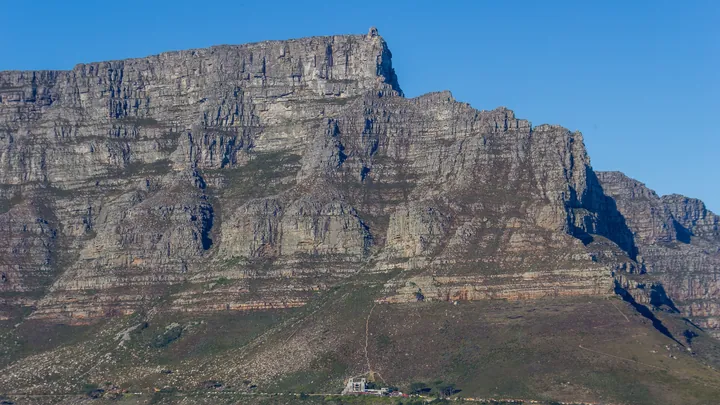
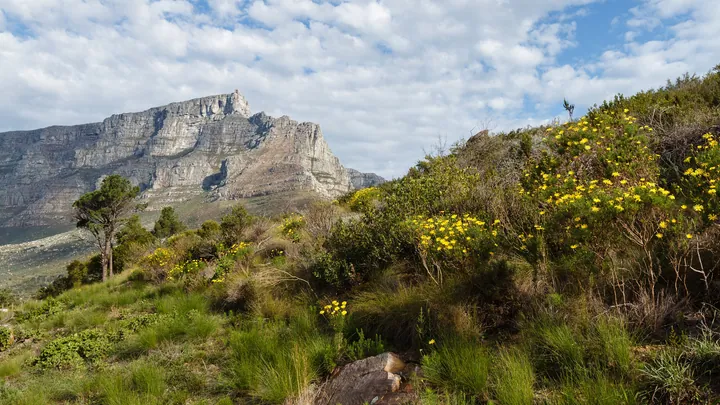
Cape Town and the southwestern Cape have a Mediterranean climate. Most rain falls from May to August, brought by cold fronts from the Atlantic. Winter brings grey, wet and windy spells between bright, crisp days, with snow on the higher mountains. Summers are dry, sunny and warm, often with a strong southeasterly wind known as the Cape Doctor. February and March are usually the warmest, calmest months. See our Western Cape guide.
Summer rainfall: most of the country
Johannesburg, Pretoria, Kruger, the Drakensberg, the Free State and most of the interior get their rain in summer, roughly October to March, often as dramatic afternoon thunderstorms with lightning and sometimes hail, clearing by evening. Winters are dry, sunny and clear, with cold nights. Johannesburg sits at about 1,750 metres above sea level, so winter mornings can be near or below freezing even though days reach the high teens. See our Gauteng guide.
Other climate zones
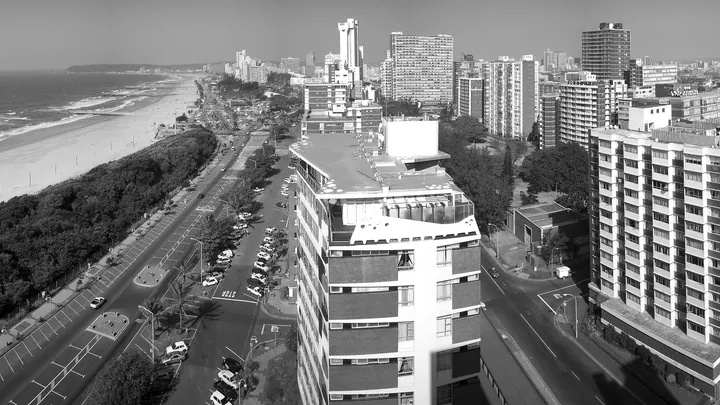
- KwaZulu-Natal coast (Durban): humid and subtropical. Summers are hot and sticky with rain; winters are mild, sunny and dry, with daytime temperatures often in the low to mid twenties. The Indian Ocean stays warm enough for swimming all year. See our KwaZulu-Natal guide.
- Garden Route and Eastern Cape coast: a mild climate with rain spread throughout the year.
- The Karoo and Northern Cape: semi-desert. Very hot summer days, cold winter nights with frost, and little rain. See our Northern Cape guide.
- Lowveld (Kruger and surrounds): hot and humid in summer, warm and dry in winter.
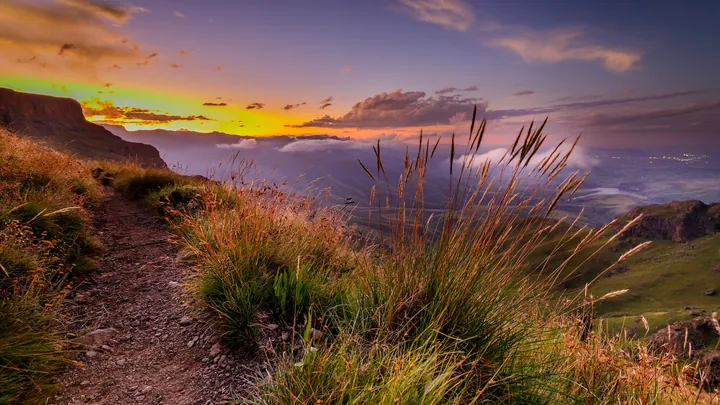
- Drakensberg: summer storms and mist; cold winters with occasional snow on the high peaks and passes.
Month by month
- January: peak summer. Hot inland with afternoon storms; hot, dry and windy in Cape Town. The Cape beaches and winelands are busy, especially early in the month during school holidays.
- February: often Cape Town's hottest and most settled month, with good beach weather. Summer rains continue inland; the bush is green.
- March: a lovely shoulder month. Harvest season in the winelands, warm seas, and fewer crowds after the holidays.
- April: autumn, with warm days and cool nights. Rain eases inland. Easter and school holidays make it busy around long weekends.
- May: dry, clear weather starts inland and the bush thins out, which improves game viewing. Cape Town's rainy season begins.
- June: winter. Excellent safari conditions and sunny days in Johannesburg and Durban. Wet and stormy spells in Cape Town. Southern right whales start arriving along the Cape coast, and in some years the KwaZulu-Natal sardine run happens from June into July.
- July: midwinter, school holidays. Peak dry-season safari. Snow is possible in the Drakensberg and the Eastern Cape highlands. Durban is mild and popular with local visitors.
- August: still dry inland. Namaqualand and West Coast wildflowers may start, depending on winter rain. Whale numbers build in the Cape.
- September: spring. Wildflowers usually peak from late August into September. Whale watching is excellent, and the Hermanus Whale Festival normally takes place around the end of the month. Great late dry-season safari.
- October: warming up. Jacarandas turn Pretoria and Johannesburg purple. Whales are still plentiful in the Cape. The first summer storms arrive inland, late in the month.
- November: early summer. The bush turns green and many animals give birth, making it a beautiful time on safari. Cape Town is warm and the busy season begins.
- December: peak holiday season. Long, hot days; inland storms; a busy and festive Cape and KZN coast. Book well ahead.
Best times for popular experiences
Safari
The dry season, from about May to September, is the classic time for a safari in Kruger and the northeast. Vegetation thins, animals gather at water, and the malaria risk is lowest. Days are pleasant but early mornings on open game drives are cold, so bring a warm jacket, hat and gloves. Summer (November to March) is green and lush, great for birdwatching and baby animals, with hot days and some rain. Book SANParks accommodation early, especially for school holidays and long weekends, when Kruger camps fill up months ahead.
Whale watching
Southern right whales visit the Cape coast to calve and mate from about June to November, with the peak usually in September and October. Hermanus, in the Overberg, is famous for land-based whale watching from its cliff path, and boat-based trips run from Hermanus, Gansbaai and other towns. Humpback whales pass along the coast on their migrations, and dolphins are seen year-round.
Beaches
- Durban and the KwaZulu-Natal coast are good for swimming all year, thanks to the warm Indian Ocean.
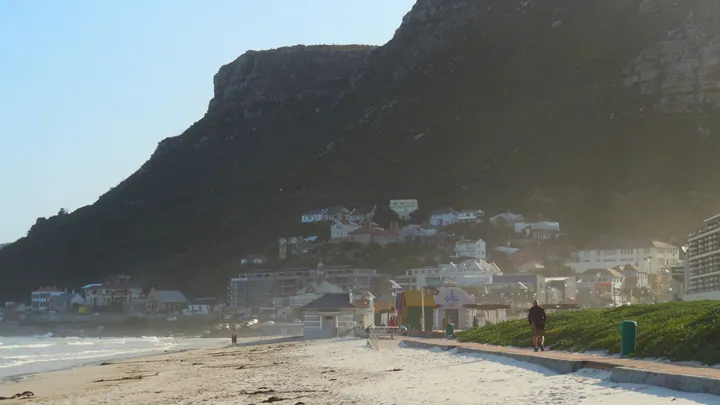
- Cape Town's Atlantic beaches are beautiful but the water is cold all year. The False Bay side, such as Muizenberg and St James, is a little warmer. Summer is beach season.
- Always swim at beaches with lifeguards and between the flags, as rip currents are common.
Wildflowers, hiking and wine
Namaqualand and West Coast flowers bloom from late winter into spring, usually August to September, with timing depending on the rains. The winelands are lovely in autumn harvest season (February to April). For hiking in the Drakensberg, autumn and spring offer the most stable weather; summer brings dangerous afternoon lightning, so start early.
Malaria areas
Most of South Africa, including Cape Town, Johannesburg, Durban, the Garden Route and the Eastern Cape, is malaria free. Malaria is present in low-lying parts of the northeast:
- Kruger National Park and the surrounding lowveld in Mpumalanga and Limpopo.
- Far northern KwaZulu-Natal, along the border with Mozambique and Eswatini.
- Parts of far northern Limpopo along the Limpopo River.
The risk is highest during the warm, wet months, roughly September to May, and lower in the dry winter. Before visiting these areas, see a doctor or travel clinic about prevention, use insect repellent, cover up at dusk, and seek medical help quickly for any fever within weeks of your trip. Some private reserves in Madikwe (North West), the Waterberg and the Eastern Cape are malaria free, which suits families with young children. Our healthcare guide covers clinics and medical aid.
School holidays and peak times
South African public schools follow a national four-term calendar set by the Department of Basic Education. Holidays are when local demand for parks, flights and coastal accommodation peaks:
- December to mid January: the main summer holiday and the busiest travel period of the year, especially on the coast.
- Late March or April: a short autumn break, often around Easter.
- Late June to mid July: the winter holiday, busy in Kruger, Durban and other warm destinations.
- Early October: a short spring break.
For 2027, the gazetted calendar has schools opening in mid January, with the winter break running from late June to mid July. Check the exact dates on the Department of Basic Education website, and see our public holidays page and holiday planner to spot long weekends. Travelling just outside school holidays often means lower prices and quieter parks.
Packing tips
- Layers for every season, because temperatures swing between day and night, especially inland.
- A warm jacket for winter game drives and highveld mornings.
- A rain jacket for Cape Town winters and summer storms inland.
- Strong sunscreen, a hat and sunglasses all year, as the sun is intense, particularly at altitude.
- Insect repellent for the lowveld and coast.
Frequently asked questions
What is the best month to visit South Africa?
There is no single best month. September to November and March to May are excellent all-round, with pleasant weather, fewer crowds and good wildlife. May to September is ideal for safaris, and December to March is best for Cape Town's beaches.
When does it rain in Cape Town?
Cape Town gets most of its rain in winter, from May to August. Summers are dry, sunny and often windy.
When is whale season in Hermanus?
Southern right whales are usually seen from June to November, with the best viewing in September and October.
Is Kruger National Park in a malaria area?
Yes. Kruger and the surrounding lowveld carry a malaria risk, highest from September to May. Speak to a doctor or travel clinic about prevention before you go.
Can you swim in the sea in winter?
On the KwaZulu-Natal coast, yes, because the Indian Ocean stays warm. In Cape Town the Atlantic is cold all year, and in winter only the hardiest swimmers go in.
More questions
Can I drive in South Africa on my home licence?
Visitors can drive on a valid foreign licence if it is in English, carries your photo and signature, or with an International Driving Permit alongside it. Car hire firms usually ask for one of these and a credit card. Once you become a permanent resident you have a year to convert to a South African licence at a driving licence testing centre. South Africans drive on the left.
Do I need malaria tablets for Kruger?
Kruger and parts of Mpumalanga, Limpopo and northern KwaZulu-Natal are low to moderate malaria risk areas, highest in the wet summer months from about October to May. Speak to a travel clinic before you go. Malaria-free alternatives include Pilanesberg, Madikwe, Addo and the Eastern Cape private reserves.
What are the emergency numbers in South Africa?
Dial 10111 for the police (SAPS) and 10177 for an ambulance or fire from a landline or mobile. From a mobile, 112 also connects to emergency services. Private ambulance services and armed response companies are widely used, so save their numbers too.
Daleel ZA is a guide, not legal, financial or immigration advice. Rules change; confirm with the authority named before you act. Spotted an error? Tell us.