



Moving to Cape Town in 2026: Rent, Suburbs, Transport and Paperwork
A practical 2026 guide to moving to Cape Town: what rent really costs, which suburbs suit you, getting around, utilities, schools, safety and the paperwork.

Cape Town keeps topping the list of places South Africans and newcomers want to live. Mountains, beaches, a strong job market in tech, finance and tourism, and a city government with a reputation for keeping the lights on have all fuelled a steady stream of "semigration" from other provinces, alongside international arrivals on work and remote-work visas.
That demand has a price. The Western Cape is now the most expensive province in the country to rent in, and the best-located suburbs are competitive. This guide walks you through what to expect in 2026, from finding a home to getting around, so you can plan a move that works for your budget. For the wider checklist of things to sort before you arrive, start with our moving to South Africa checklist.
What rent costs in Cape Town in 2026
The PayProp Rental Index, which tracks rents paid through managing agents, put the Western Cape average at about R12,561 a month in the second quarter of 2026, roughly 9.7% higher than a year earlier and well above the national average of about R9,715. Cape Town itself pulls that average up: popular Atlantic Seaboard and Southern Suburbs addresses sit far above it, while the northern suburbs and areas further out sit closer to or below it.
Use these as planning ranges for unfurnished long-term rentals in 2026. They are not quotes, and furnished or short-term lets cost noticeably more.
| Area type | 1 bedroom flat | 2 bedroom flat | 3 bedroom house |
|---|---|---|---|
| Northern suburbs (Bellville, Durbanville, Parow, Brackenfell) | R7,500 to R11,000 | R9,500 to R15,000 | R14,000 to R22,000 |
| Southern Suburbs (Rondebosch, Claremont, Kenilworth, Plumstead) | R10,000 to R16,000 | R14,000 to R24,000 | R20,000 to R35,000 |
| City Bowl and surrounds (Gardens, Tamboerskloof, Observatory, Woodstock) | R11,000 to R18,000 | R15,000 to R28,000 | R22,000 to R40,000 |
| Atlantic Seaboard (Sea Point, Green Point, Camps Bay) | R15,000 to R25,000 | R22,000 to R40,000 | R35,000 and above |
| Blouberg, Table View and the West Coast | R8,500 to R13,000 | R11,000 to R18,000 | R16,000 to R26,000 |
Expect to pay a deposit of one to two months' rent, and to show three months of bank statements and payslips. Landlords commonly run a credit check through TPN or a similar bureau, which can be harder for new arrivals without a South African credit record. A letter from your employer and a larger deposit often help. The Rental Housing Act requires the deposit to be held in an interest-bearing account, and our renting a home guide explains inspections, leases and your rights.
Choosing a suburb
Cape Town is spread out and shaped by the mountain, so where you live decides your commute more than almost anything else.
- City Bowl and Atlantic Seaboard: walkable, close to the CBD and the V&A Waterfront, and good for people without a car. You pay a premium for the location and the views.
- Southern Suburbs: leafy, family-friendly and home to many of the city's best-known schools and the University of Cape Town. Traffic on the M3 and M5 at peak times is the main trade-off.
- Northern suburbs: more space for your money, newer complexes and big shopping centres such as Tyger Valley. A popular choice for families and people working in Bellville or Century City.
- Blouberg and Table View: beach living with views back to Table Mountain, but the N1 and R27 commute into town can be slow.
- Further out: Somerset West, Stellenbosch and Paarl offer a slower pace and winelands living, but daily commutes into the city are long.
Visit at the times you would actually travel. A suburb that feels calm on a Sunday can be a 60-minute crawl from the CBD on a weekday morning.
Getting around
Most Capetonians drive, and you should budget for a car unless you live and work along a good public transport route. Inland 95 petrol was about R30 a litre in November 2026, with coastal prices a little lower, and prices change monthly.
- MyCiTi: the City's bus rapid transit system links the CBD with the Atlantic Seaboard, Blouberg, Table View, the airport and Khayelitsha and Mitchells Plain. You pay with a myconnect card, which costs R40 in 2026. Fares are adjusted every July, and the 2026 increase was steep because of fuel costs, so check the current table on myciti.org.za.
- Metrorail: PRASA has been restoring Cape Town lines after years of damage, and the Southern line is the most usable for commuters. Service levels vary, so check before relying on it.
- Golden Arrow buses and minibus taxis cover most of the metro at low cost.
- E-hailing apps are widely used, especially at night.
If you plan to drive on a foreign licence, read our driving licence checker and the driving and transport guide first.
Electricity, water and internet
Cape Town buys power from Eskom and resells it through the City, with its own tariffs approved by NERSA. For 2026/27 the City set an average residential electricity increase of about 6.64% from 1 July 2026, lower than the 9.01% average NERSA approved for Eskom's sales to municipalities. The City also runs the Steenbras pumped storage scheme, which historically let it shield residents from some stages of load shedding, and it buys power from households through its "Cash for Power" feed-in programme.
Water and sanitation rose by a combined average of about 4.5% for 2026/27. The city has had no water restrictions in recent years, but the 2017 to 2018 drought left a strong water-saving culture, and many homes have tanks or grey-water systems.
Typical monthly utility costs for a two-bedroom flat:
| Item | Typical 2026 range |
|---|---|
| Electricity (prepaid or credit meter) | R800 to R1,800 |
| Water, sanitation and refuse (if not in rent) | R400 to R1,000 |
| Fibre internet (50 to 100 Mbps) | R600 to R1,000 |
| Mobile contract or prepaid data | R250 to R700 |
Estimate your own bill with the electricity bill estimator.
Groceries, eating out and lifestyle
Supermarket prices in Cape Town are broadly in line with the rest of the country, with Checkers, Pick n Pay, Spar, Woolworths and Shoprite all well represented. A single person typically spends R3,000 to R5,000 a month on groceries and a family of four R7,000 to R12,000, depending on brands. Eating out is good value by international standards, and a mid-range dinner for two often lands between R500 and R900 before wine.
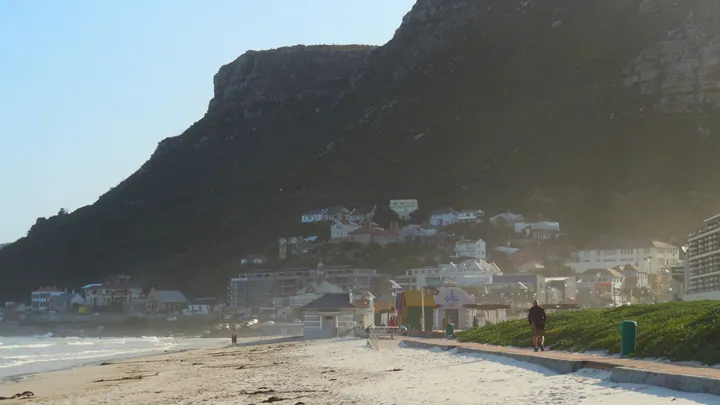
Many of the best things in Cape Town are free or cheap: hiking Lion's Head, swimming at Clifton or Muizenberg, and the Sea Point promenade. A Table Mountain National Park Wild Card is worth buying if you will visit the parks often. Build your own monthly budget with the cost of living tool.
Schools and healthcare
Cape Town has strong public schools, especially in the Southern and northern suburbs, but places at sought-after schools fill quickly and admission is usually linked to where you live. Independent school fees range from around R60,000 to well over R250,000 a year. The Western Cape Education Department runs a central online admissions window each year, usually opening early in the year for the following year. See our schools and education guide.
The city has excellent private hospitals run by the major groups, and Groote Schuur and Tygerberg are leading public academic hospitals. Most people with the means join a medical aid scheme. Our healthcare and medical aid guide compares options.
Safety: honest and practical
Cape Town is a city of contrasts. Tourist areas and most suburbs are safe for everyday life with sensible precautions, while some areas on the Cape Flats experience serious gang-related crime. Practical habits matter more than fear: keep valuables out of sight in your car, use well-lit and busy routes at night, hike popular trails in groups, and check that a rental has proper access control and, ideally, armed-response cover. Our safety and security guide covers this in more detail, and save the national emergency numbers on your phone.
Weather and seasons
Cape Town has a Mediterranean climate: dry, warm and windy summers (the "Cape Doctor" south-easter blows hard from about November to March) and cool, wet winters from roughly May to August. Many older homes are not insulated, so budget for heaters and warm bedding. The weather and when to visit guide has month-by-month detail.
Paperwork for international arrivals
If you are not South African, sort your visa before you sign a lease. The main routes are critical skills and general work visas, the remote work visa introduced in 2024 for people employed by foreign companies, business visas, and relative or spousal visas. Applications are lodged through VFS Global for the Department of Home Affairs. Read our visas and permits guide and use the work visa checker to see which route fits. Official information is on dha.gov.za.
Once you arrive, you will also want to open a bank account, register with SARS if you will earn income here, and get a local SIM registered under RICA, which requires your passport and proof of address.
Frequently asked questions
How much do I need to earn to live comfortably in Cape Town?
It depends on suburb and lifestyle, but a single person renting a one-bedroom flat in a mid-range area typically needs a take-home income of R25,000 to R35,000 a month to cover rent, a car, utilities and groceries comfortably. A family with children in private school needs considerably more. Check your net pay with the take-home pay calculator.
Is Cape Town more expensive than Johannesburg?
Rent is the main difference. PayProp data shows Western Cape rents averaging about R12,500 a month in 2026, compared with roughly R9,500 to R9,700 in Gauteng. Groceries and fuel cost about the same, and coastal petrol is slightly cheaper.
Does Cape Town still have load shedding?
Eskom has not implemented national load shedding since May 2025. Cape Town also has the Steenbras scheme to reduce the impact of any future load shedding stages, though local outages from faults or cable theft can still occur.
Can I live in Cape Town without a car?
Yes, if you live and work along MyCiTi routes in the City Bowl, Atlantic Seaboard or Blouberg, and use e-hailing for the gaps. Elsewhere in the metro a car makes daily life much easier.
Written by Daleel ZA editorial team. Daleel ZA is a guide, not legal, financial or immigration advice. Rules change; confirm with the authority named before you act.