


Load Shedding and Electricity in South Africa 2026: Status, Tariffs and Solar
Is load shedding over? Eskom in 2026, how prepaid meters and tariffs work, who supplies your power, and whether solar and an inverter still pay off.
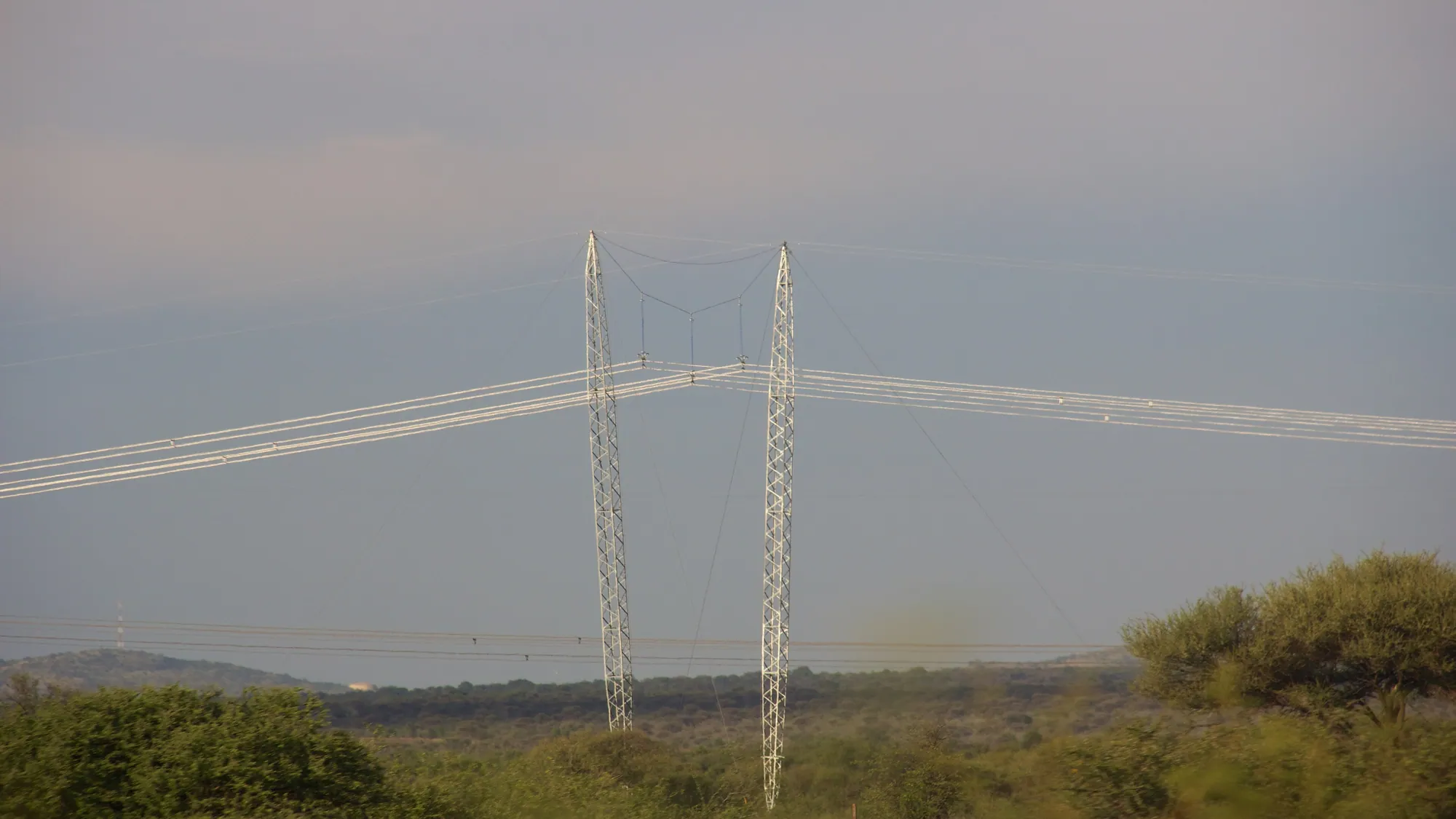
For more than a decade, load shedding shaped daily life in South Africa: rolling blackouts of two to four hours or more, schedules checked on an app before every meeting, and a booming market in inverters and generators. In 2026 the picture looks very different. Eskom has not implemented load shedding since May 2025, and the conversation has shifted from blackouts to the cost of electricity.
This guide explains where things stand in late 2026, how electricity supply and prepaid meters work, what tariff increases NERSA has approved, and whether solar still makes sense for your home. For a quick monthly estimate, try our electricity bill estimator.
Is load shedding over?
Eskom reported more than 500 consecutive days without load shedding by October 2026, counting from mid-May 2025. Its winter outlook for April to August 2026 projected no load shedding, and the winter passed without it. Eskom attributes the turnaround to better maintenance of its coal fleet, which has improved the energy availability factor, the completion of new units at Medupi and Kusile, and a large amount of private rooftop and utility-scale solar and wind reducing demand on the grid.
That said, nobody should treat the grid as risk-free. Eskom's coal stations are ageing, and a run of major breakdowns could bring load shedding back. It is a national emergency measure, announced by Eskom in "stages" (Stage 1 removes about 1,000 MW from the grid, Stage 2 about 2,000 MW and so on), with each stage meaning more frequent cuts.
Load reduction is not load shedding
Even while load shedding is suspended, some areas still experience load reduction. Eskom applies it in specific areas, mostly in townships and informal settlements, where networks are overloaded by illegal connections, meter bypassing and tampering, and where equipment keeps failing. Load reduction usually happens during the morning and evening peaks. Eskom has said it aims to phase it out by March 2027.
Outages still happen
Local outages caused by cable theft, vandalism, storms, overloaded substations and ageing municipal networks remain common in some cities, particularly parts of Johannesburg. These are faults, not load shedding, and are reported to your supplier rather than handled through a schedule.
EskomSePush and other apps
EskomSePush (ESP) became the country's most downloaded app during the load shedding years. It shows load shedding schedules by area, and many users now also use it to follow unplanned outages and load reduction reported in their area. The official schedules come from Eskom and from municipalities that do their own switching, such as the City of Cape Town and City Power in Johannesburg. If load shedding returns, ESP and your municipality's website or social media are the quickest ways to check your times.
Who supplies your electricity?
This is one of the most confusing parts of living in South Africa, and it determines your tariff and who you call when the lights go out.
- Municipal supply: most homes in cities buy electricity from their municipality (for example the City of Cape Town, City Power in Johannesburg, City of Tshwane or eThekwini). The municipality buys bulk power from Eskom and resells it at its own tariffs, approved by NERSA.
- Eskom direct supply: many rural areas, some towns and parts of metros (such as parts of Soweto, Sandton and Midrand) buy directly from Eskom.
Your bill, prepaid receipt or landlord can tell you which applies. Fault lines and tariffs differ, so save the right number. Our Gauteng and Western Cape pages link to the main metros' service channels.
Tariff increases: what NERSA approved
The National Energy Regulator of South Africa (NERSA) sets Eskom's allowable revenue and the annual tariff increases through the multi-year price determination (MYPD).
| Year | Eskom direct customers (from 1 April) | Municipal customers (average, from 1 July) |
|---|---|---|
| 2025/26 | About 12.7% | About 11.3% |
| 2026/27 | 8.76% | 9.01% |
| 2027/28 | 8.83% approved | Set later through municipal applications |
The 2026/27 figure for Eskom direct customers was originally announced as 5.36% and corrected upwards to 8.76% after NERSA found a calculation error. Individual municipalities then apply to NERSA for their own increases, which can sit above or below the 9.01% guideline. For 2026/27, for example, the City of Cape Town set an average residential increase of about 6.64%, while City Power in Johannesburg was reported at about 8.6%. Some metros also charge fixed monthly network fees on top of the per-kWh price, so your actual bill may rise faster than the headline percentage. Check Eskom's tariff pages on eskom.co.za and your municipality's tariff book.
Prepaid meters explained
Most South African homes, especially rentals, use prepaid meters. You buy a 20-digit token through your bank app, a retailer, or a vending site, then type it into the meter's keypad.
- Inclining block tariffs: many municipalities charge more per kWh as you use more in a month. Buying in one large purchase at the start of the month, rather than many small ones, can matter under some tariff designs.
- Fixed charges: some metros now include a fixed daily or monthly charge on prepaid tariffs, deducted from your purchases.
- Free basic electricity: registered indigent households can receive a free monthly allocation, commonly 50 kWh. Apply through your municipality.
- Token ID rollover: in 2024 a nationwide upgrade to the STS prepaid standard required meters to be recoded with two special key-change tokens. If your meter suddenly rejects tokens, contact your supplier, since an unrecoded meter may be the cause.
Always buy tokens from your supplier's official channels or reputable vendors. Illegal "ghost vendors" selling cheap tokens put you at risk of fines and disconnection.
Solar, inverters and batteries: still worth it?
Hundreds of thousands of households installed backup power during the load shedding years. With the grid now stable, the question has changed from "how do I keep the lights on?" to "how do I cut my bill?"
Options and typical 2026 costs
| System | What it does | Typical installed cost |
|---|---|---|
| Inverter and battery only (no panels) | Backup for lights, Wi-Fi, TV during outages | R20,000 to R45,000 |
| Hybrid inverter, 5 kWh battery and 3 to 4 kWp of panels | Backup plus daytime solar savings | R70,000 to R130,000 |
| Larger system (8 to 10 kWp, 10 kWh or more of storage) | Large house, pool pump, partial independence | R150,000 to R300,000 |
Prices vary widely by brand, installer and battery size. Get at least three quotes from installers who issue a certificate of compliance (CoC).
Things to know before you install
- Registration is required. Municipalities require small-scale embedded generation (SSEG) systems to be registered and approved, even if they are not exporting power. Unregistered systems can be fined.
- Feeding back into the grid: some municipalities, including Cape Town with its "Cash for Power" programme, pay for excess solar electricity fed into the grid, often requiring a bi-directional meter.
- The rooftop solar tax incentive has ended. The 25% rebate on new solar panels (up to R15,000) applied only to panels installed between 1 March 2023 and 29 February 2024.
- Payback: with tariffs rising faster than inflation every year, a well-sized solar system can pay for itself in roughly five to eight years for many households, but this depends on your usage, roof orientation and tariff.
If you rent, a portable power station or a plug-in UPS for your router is a cheap way to stay connected during any outage. Our renting a home guide covers asking a landlord before installing fixed equipment.
Cutting your bill without solar
- Put the geyser on a timer and lower its thermostat to around 55 to 60 degrees. It is often the largest single user in a home.
- Insulate the geyser and the first metre of pipes.
- Replace any remaining incandescent or halogen bulbs with LEDs.
- Run pool pumps for fewer hours, during the day.
- Use a heat-pump water heater or solar geyser if you are replacing an old geyser.
Frequently asked questions
Is there load shedding in South Africa in 2026?
No national load shedding has been implemented since May 2025, and Eskom passed more than 500 consecutive days without it by October 2026. Some areas still experience load reduction and local faults.
How much did electricity go up in 2026?
NERSA approved an average 8.76% increase for Eskom's direct customers from 1 April 2026 and a 9.01% average guideline for municipal customers from 1 July 2026. Actual municipal increases vary by city.
What is the difference between load shedding and load reduction?
Load shedding is a national, staged measure used when Eskom cannot meet demand. Load reduction targets specific areas with overloaded networks, often due to illegal connections, usually at peak times.
Do I need to register my solar system?
Yes. Most municipalities require small-scale embedded generation systems to be registered and approved, and some will fine unregistered installations. Check your municipality's SSEG rules before installing.
Is EskomSePush still useful?
Yes. It remains the easiest way to see schedules if load shedding returns, and many people use it to track unplanned outages and load reduction in their area.
Written by Daleel ZA editorial team. Daleel ZA is a guide, not legal, financial or immigration advice. Rules change; confirm with the authority named before you act.